
If you’ve applied for jobs recently, there’s a good chance your CV never made it to a human. Instead, it was screened by an ATS – an Applicant Tracking System – software that filters applications before a recruiter even sees them.
ATS isn’t new, but it’s evolving fast, especially in Europe. With AI integration, stricter data protection laws and a booming recruitment tech market, the way candidates find jobs and companies hire talent is shifting. Here’s what’s happening and why it matters.
ATS adoption is booming across Europe
The European ATS market is growing rapidly. Valued at $5.57 billion in 2025, it’s projected to hit over $11 billion by 2034*. That growth is being driven by labour shortages, the push toward digital recruitment and the need to comply with GDPR and other regional employment laws.
The UK is leading the charge with strong HR tech adoption and digital infrastructure, while Germany is close behind, partly because of its strict data privacy requirements and increasing use of explainable AI in hiring. France, the Netherlands and the Nordics are also investing heavily in recruitment technology.
What this means is more companies are using ATS, and if you’re job hunting in Europe, you’re almost certainly encountering these systems.
GDPR is shaping how ATS works
Unlike in other regions, European ATS providers must comply with strict data protection regulations. That means they need to handle candidate data transparently, allow people to request deletion of their information and explain how automated decisions are made.
Modern ATS platforms are now being assembled with GDPR compliance built in from the start. They offer multilingual support for cross-border hiring and integrate with regional employment frameworks. For candidates, this should mean more transparency about how your data is being used, though in practice, it’s not always clear.
For employers, it means choosing an ATS that meets legal standards isn’t optional. Non-compliance can lead to hefty fines and reputational damage.
Is AI is making ATS smarter?
AI integration is one of the biggest trends in ATS right now. These systems can scan CVs for keywords, match candidates to job descriptions based on skills and even predict which applicants are most likely to succeed in a role.
On paper, this sounds efficient. In reality, it creates challenges. Research suggests that up to 75%* of resumes are rejected by ATS before a human ever sees them. Even more concerning, around 88% of employers believe they’re losing highly qualified candidates simply because those candidates aren’t submitting ATS-friendly resumes.
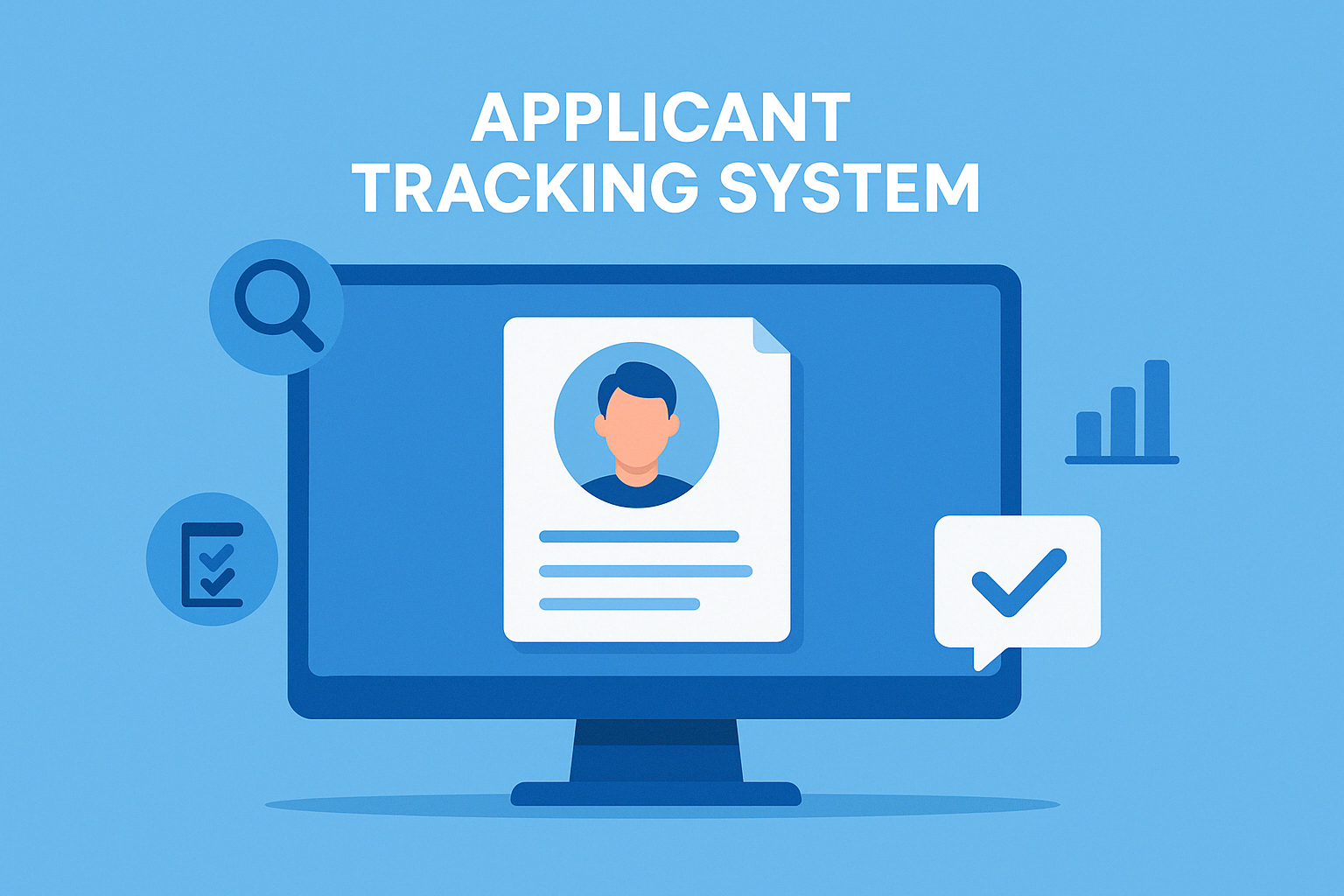
The issue? Many ATS systems prioritise exact keyword matches and specific formatting. If your CV doesn’t tick those boxes – even if you’re perfectly qualified – you might get filtered out.
What this means for the European job market
For job seekers, the rise of ATS means you need to be more strategic. It’s not enough to be qualified, you need to present your experience in a way that gets past the software. That might feel frustrating, but it’s the reality of modern recruitment.
For employers and recruiters, ATS can save time and help manage high volumes of applications. But it also comes with risks. Over-reliance on automated screening can mean you miss great candidates who don’t fit a narrow template. And in a competitive market like SAP and tech, where skills shortages are already a problem, that’s a real concern.
The key is balance – using ATS to handle admin and initial filtering, but making sure human judgment is still part of the process.
The bottom line
ATS is here to stay, and in Europe, it’s becoming more sophisticated, more compliant and more widely used. For candidates, that means adapting how you apply. For companies, it means using these tools wisely and not letting automation replace the nuance that good recruitment requires.
The job search landscape is changing, but understanding how these systems work gives you an advantage – whether you’re looking for your next role or trying to hire the best talent.
Written by Andrea Harrison | CRM Manager
Sources: Market Data Forecast | SSR
At Hanson Regan, we understand both sides of the ATS challenge.
We help candidates navigate these systems to get their skills noticed, and we work with clients to ensure they’re not losing great talent to limited filters.
If you’re looking for your next SAP or tech role, or need to build a team that delivers, get in touch with our specialist consultants or call +44 (0) 208 290 4656.